What are RTA Cabinets? Are RTA Cabinets of good quality? Where to buy RTA Cabinets? Let’s delve into the world of one of the top-tier cabinet manufacturers. Discover for yourself top-quality, affordable RTA cabinets to elevate your furniture business and revamp your showroom or furnish the desired spaces of your clients with the future of the cabinet manufacturing industry – RTA cabinet.
Understanding what RTA cabinets are helps customers embrace the remarkable benefits of RTA cabinets. With such knowledge, they can embark on kitchen renovation projects with confidence, unlocking a world of possibilities and creating a space that truly reflects their personal style and lifestyle.
1. What are RTA Cabinets?
RTA (Ready-to-Assemble) cabinets are precisely what their name suggests: they arrive flat-packed and require customer assembly. These cabinets are shipped with all components—panels, doors, hardware, and instructions—neatly packaged, ready for you to put together. The DIY assembly process allows homeowners to save on labor costs and gives them a sense of accomplishment as they build their own cabinetry.
These cabinet units arrive with all the necessary components and hardware required for installation. This DIY approach empowers homeowners to undertake the assembly process themselves and becomes more proactive in managing their time and efforts.
The primary appeal of RTA cabinets lies in their cost-effectiveness. Compared to custom-built or pre-assembled cabinets, RTA options are significantly more budget-friendly. By eliminating the labor costs associated with professional installation, homeowners can allocate their budget toward other aspects of their project. Additionally, the flat-pack shipping reduces transportation expenses, making RTA cabinets an attractive alternative for those seeking quality cabinetry without breaking the bank.
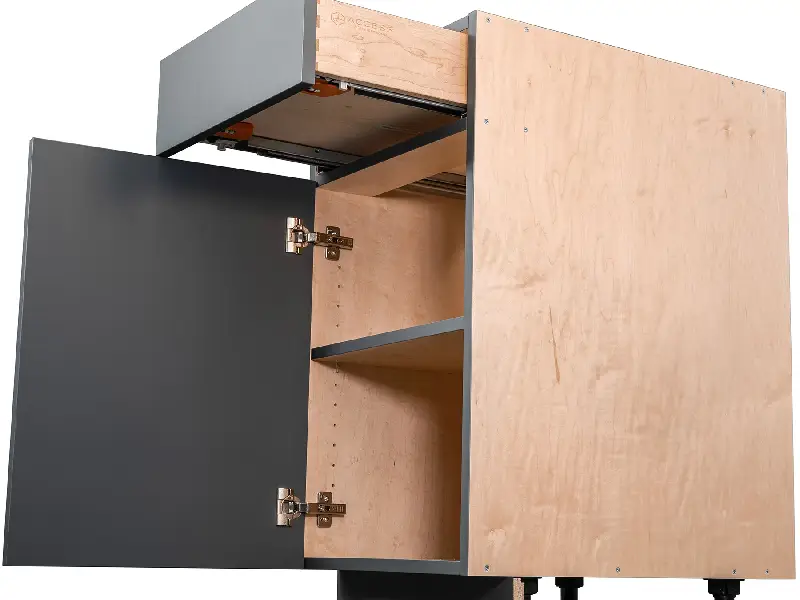 RTA Cabinets
2. What are the applications of RTA cabinets?
RTA cabinets find their sweet spot in various spaces, including kitchens, bathrooms, and other storage solutions. Whether you’re renovating your kitchen or upgrading your bathroom vanity, RTA cabinets offer flexibility and adaptability. Their modular design allows you to customize layouts to fit your specific needs, making them an excellent choice for both residential and commercial projects.
2.1 Kitchen Applications
RTA (Ready-to-Assemble) cabinets offer a modular design and easy installation, making them ideal for kitchen remodeling and renovation. These versatile solutions seamlessly integrate into standalone cooking areas and open-concept layouts, enhancing visual appeal and functionality. Homeowners and designers alike appreciate RTA cabinets for their customized, high-performance solutions tailored to specific needs.
2.2 Bathroom Storage Solutions
In the bathroom, RTA vanity cabinets provide stylish and practical storage solutions that withstand the unique demands of the environment. Featuring a water-resistant construction and a diverse range of finish options, these cabinets can be seamlessly integrated into any bathroom design, from traditional to contemporary.
The versatility of RTA cabinets empowers homeowners to create organized, visually striking bathroom spaces that enhance the overall aesthetic and functionality of the room.
2.3 Bedroom Furnishings
RTA cabinets have also found widespread applications in the bedroom. They can serve as built-in wardrobes, dresser units, or even television stands, providing ample storage and visual appeal. Their customizable dimensions and diverse hardware options allow for a tailored fit, ensuring a harmonious integration into the bedroom’s design scheme.
2.4 Commercial Applications
The modular nature and ease of assembly of RTA cabinets make them an attractive choice for functional storage solutions in a variety of commercial spaces, including office environments, retail stores, and medical facilities.
They can be easily configured to cater to the specific needs of the business or organization, providing a versatile and cost-effective storage solution that enhances the overall aesthetic and efficiency of the workspace
3. The Remarkable Benefits of RTA Cabinets
RTA cabinets transform kitchens, unlocking endless possibilities. These versatile solutions blend style and functionality, empowering homeowners to create their dream space at an affordable cost.
- Cost Savings: One of the standout advantages of RTA cabinets is their significantly lower price point compared to custom-built cabinetry solutions. By eliminating the need for professional installation and reducing transportation costs, homeowners can enjoy substantial cost savings, making kitchen renovations more accessible and attainable.
- Speed: RTA cabinets offer a quicker turnaround from order to delivery, allowing homeowners to transform their kitchens with remarkable efficiency. This expedited process is a game-changer, especially for those seeking to complete their renovation projects within a tight timeline.
- DIY Appeal: RTA cabinets are designed to attract DIY customers who relish the hands-on experience of tackling home improvement projects. RTA cabinets’ modular design and easy assembly empower homeowners to actively transform their kitchens, fostering a sense of accomplishment in the final result.
- Variety: RTA cabinets boast an extensive range of styles, finishes, and materials, catering to a diverse array of design preferences. RTA cabinets offer a wide selection, allowing homeowners to find the perfect solution to complement their kitchen’s style, whether modern or traditional.
- Efficiency: RTA cabinets’ flat-packing design streamlines storage and transportation, simplifying the logistics of kitchen renovations for homeowners and contractors. This enhanced efficiency translates to a smoother and more hassle-free experience for all involved.
4. Key Differences Between RTA Cabinets and Custom Cabinets
When it comes to kitchen cabinetry, homeowners are often faced with the decision between RTA (Ready-to-Assemble) cabinets and custom-built solutions. Understanding the nuances between these two options can help you make an informed choice that aligns with your design preferences, budget, and project timeline.
| Key Differences |
RTA Cabinets |
Custom Cabinets |
| Customization Level |
RTA cabinets typically offer a range of standard designs and configurations, providing a diverse selection to choose from. However, the level of customization is often limited to the pre-existing options |
Custom cabinets provide bespoke solutions tailored to your specific needs. Crafted on-site, they allow for maximum personalization. |
| Price Point |
RTA cabinets are generally more budget-friendly, making them an accessible option for homeowners looking to balance quality and cost-effectiveness. |
Custom cabinets are often premium-priced, reflecting the personalized attention and craftsmanship that goes into their production. |
| Delivery Time |
RTA cabinets are typically readily available, as they are mass-produced and can be shipped directly to your doorstep. This expedited delivery timeline is particularly advantageous for homeowners who need to complete their kitchen renovation projects within a specific timeframe. |
Custom cabinets require a longer lead time to be designed, manufactured, and installed, which may be a consideration for those with more pressing deadlines. |
| Installation |
RTA cabinets are designed for user assembly, empowering homeowners to take an active role in the installation and potentially saving on labor cost, making them a DIY-friendly option |
Custom cabinets are often professionally installed, ensuring a seamless and precise fit within the kitchen’s layout. |
5. Common Materials Used in RTA Cabinets
Now you might be asking: Are RTA good quality? Understanding RTA cabinet materials helps homeowners make informed decisions that align with their design preferences, budget, and long-term needs, ensuring a stunning and durable kitchen.
5.1 MDF (Medium Density Fiberboard)
MDF is a highly affordable and versatile material that is widely used in RTA cabinets. It offers a smooth, uniform surface that can be easily painted or veneered, allowing for a wide range of design possibilities. MDF is also known for its dimensional stability, making it less prone to warping or shrinking over time.
5.2 Plywood
Plywood is a popular choice for RTA cabinets due to its durability and resistance to warping. This material provides a good balance of strength and cost, making it a practical and reliable option for homeowners. Plywood’s sturdy construction ensures the cabinets can withstand the demands of everyday use without compromising their structural integrity.
5.3 Solid Wood
For those seeking a premium and high-end finish, solid wood is an exceptional choice for RTA cabinets. This material offers a luxurious and timeless aesthetic, as well as exceptional strength and longevity. Solid wood RTA cabinets can be customized with a variety of finishes and stains to suit your desired kitchen style.
5.4 Particleboard
Particleboard is the most economical option among the common RTA cabinet materials. While it may not be as durable as other materials, particleboard can still provide a functional and cost-effective solution for homeowners on a tighter budget. It’s important to note that particleboard may be less resistant to moisture and wear-and-tear compared to the other materials mentioned.
6. Assembly and Installation of RTA Cabinets
Assembling and installing RTA (Ready-to-Assemble) cabinets can be a straightforward and rewarding experience when approached with the right mindset and attention to detail. Let’s explore the step-by-step process to ensure a smooth and successful kitchen transformation.
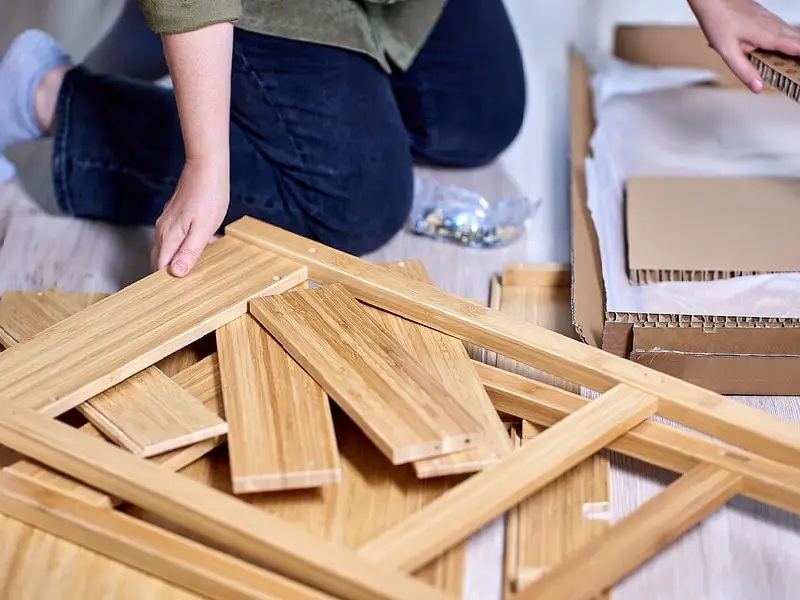
6.1 Unpacking
The first crucial step is to carefully unpack your RTA cabinet components, ensuring that all the necessary parts and hardware are accounted for. This will help you avoid any delays or frustrations during the assembly process.
You should lay out all the components and verify that you have all the necessary parts. This also makes it easier to check for any damage or missing pieces. Contact the manufacturer if anything is amiss.
6.2 Instructions
RTA cabinet manufacturers provide comprehensive, step-by-step assembly guides to assist you throughout the process. It is essential to thoroughly read and follow these instructions to ensure a proper and secure assembly of your cabinets. These instructions typically include diagrams and clear explanations for each assembly stage. Pay attention to details like orientation, alignment, and hardware placement.
6.3 Tools Required
The typical tools needed for RTA cabinet assembly include screwdrivers, hammers, and drills. These basic hand tools will allow you to securely attach the various components and ensure a sturdy final installation.
6.4 Step-by-Step Assembly
Begin by carefully assembling each individual cabinet component, following the manufacturer’s guidelines. Pay close attention to the alignment and connections, taking the time to ensure a secure and stable structure. This attention to detail will be crucial for the overall durability and functionality of your RTA cabinets.
6.5 Final Installation
Once the individual cabinets have been assembled, it’s time to secure them to the walls or floors as per your kitchen design requirements. This final step may involve the use of additional hardware, such as anchors or brackets, to ensure a safe and secure installation.
How EHUA Packages Cabinets for Safe Global Delivery?
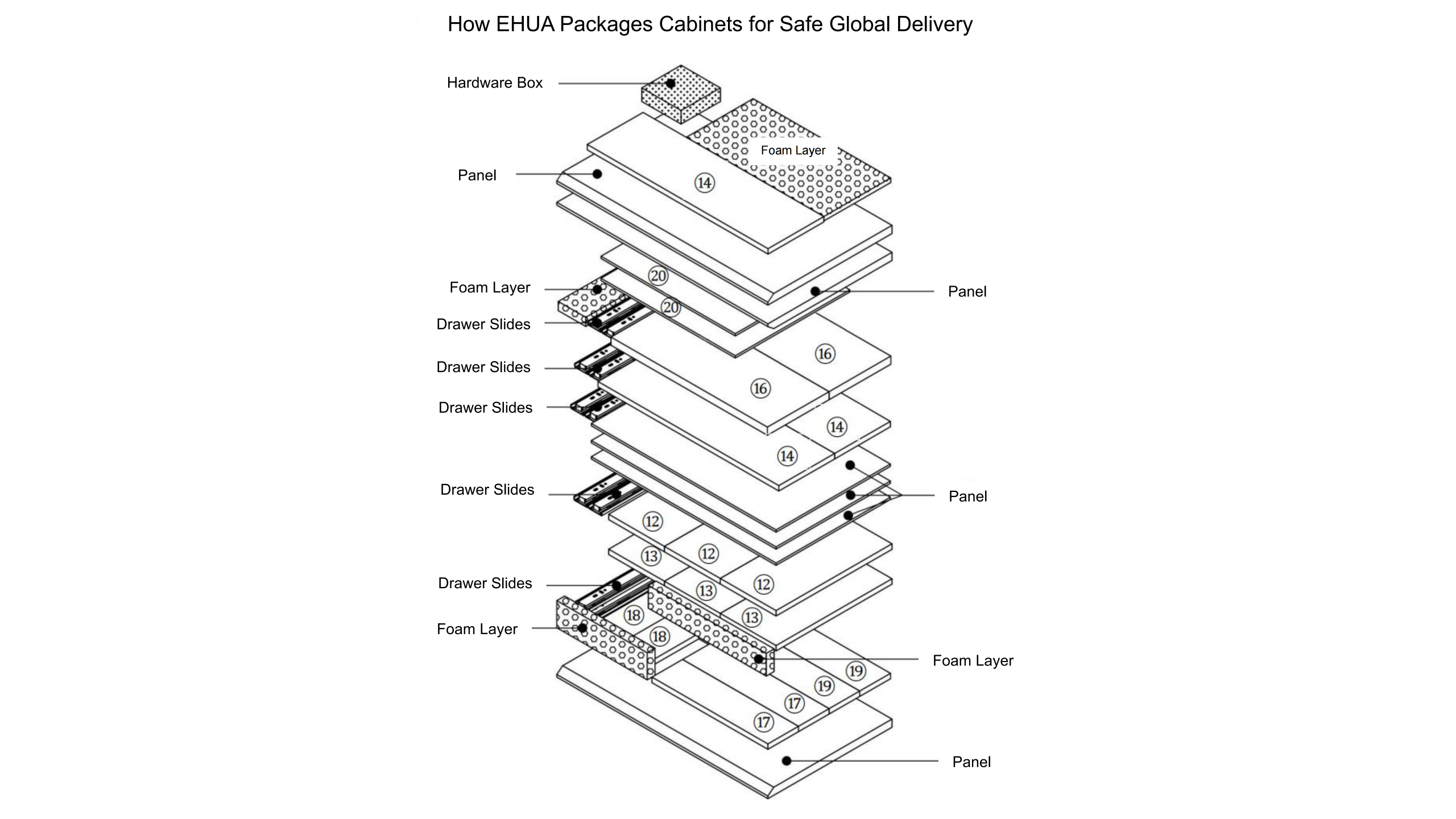
At EHUA, we understand that packaging is just as critical as production when it comes to global delivery. That’s why our cabinets are packed with a multi-layered system designed to protect every component during long-distance transportation.
- Multi-layer Protection: Each package includes alternating layers of durable cabinet panels and protective foam to prevent damage during transit.
- Shock-Absorbing Foam: Strategic foam padding is placed at key points to absorb impacts and protect corners and edges.
- Separated Components: Drawer slides, hardware, and panels are carefully layered to avoid friction and scratching.
- Separated Components: Drawer slides, hardware, and panels are carefully layered to avoid friction and scratching.
- Dedicated Hardware Box: All small accessories and fittings are packed in a clearly labeled box to ensure nothing gets lost or damaged.
- Optimized for Shipping: Packages are designed to maximize container space efficiency while keeping components safe and organized.
- Installation-Ready Delivery: Cabinets arrive pre-labeled and organized for quick identification, streamlining on-site installation.