When it comes to customizing your wardrobe, the type of door panel you choose plays a huge role in setting the tone and overall experience of your home. With so many materials and techniques available in the market, it’s easy to feel overwhelmed. Today, let’s break down the five most popular wardrobe door materials and how they’re made—Baking Paint, Melamine, Veneered Wood, PVC (Vacuum Press), and PET Film—so you can make a smart choice.
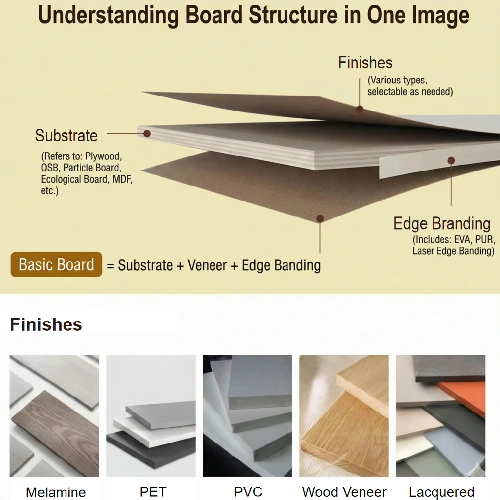
A Shiny, Sleek Work of Art: Lacquered Doors
Lacquered doors are considered the “high-end custom” choice. They’re made through a meticulous process involving six separate paint applications: three layers of primer, two layers of colored paint, and one finishing coat, all baked at high temperatures. The base is usually MDF or solid wood, and the result is a mirror-like, glossy finish.
Pros? You get thousands of color choices to match any style, great fire and water resistance (perfect for humid spaces), and they’re super easy to clean. The downsides: these doors are pricey, take 15-25 days to make, and are hard to repair if scratched. They’re ideal for those who value aesthetics and have a bigger budget—but watch out for sharp objects!
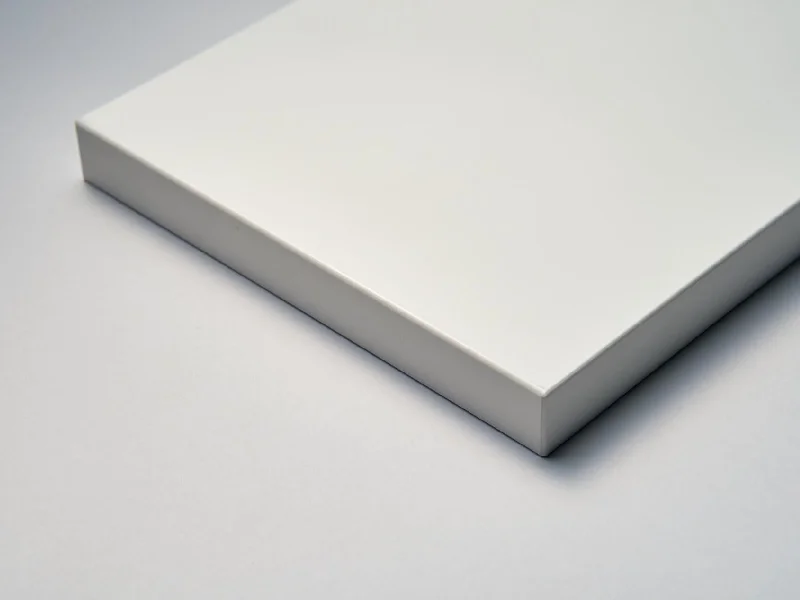
Best Value for Money: Melamine Doors
Melamine doors use a special paper soaked in melamine resin, fused onto boards like particleboard or OSB at high temperatures. Some people worry about formaldehyde, but quality melamine meets strict safety standards (E0 level, ≤0.05mg/m³). These “all-rounder” doors are tough (top scratch resistance, withstands temps up to 180°C), come in a huge range of styles, and are affordable. Be sure to check the edge banding—thicker (at least 2mm) and glued with PUR are best for durability. Their main drawback is they can’t do fancy shapes and are hard to repair if damaged.
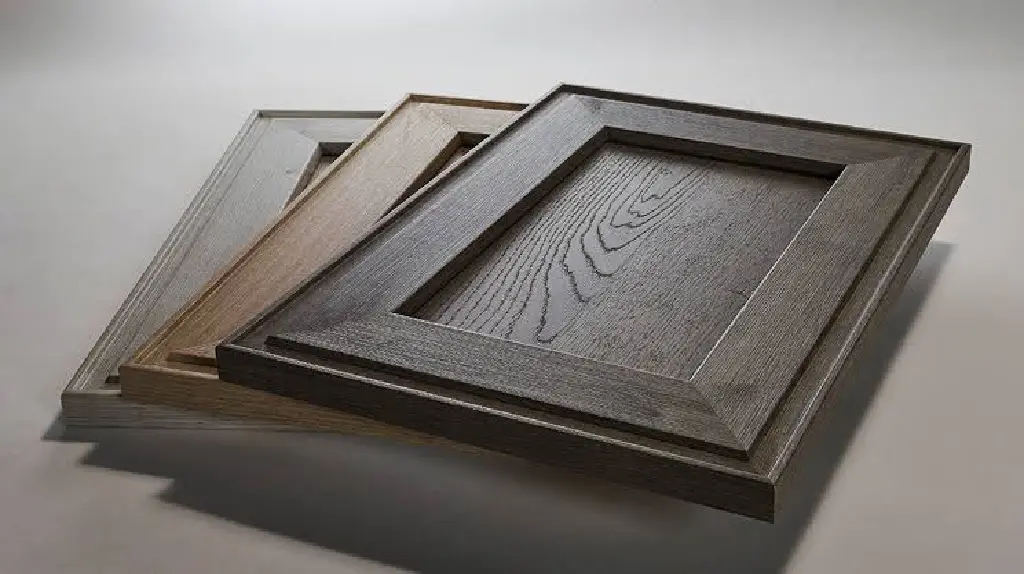
Natural Beauty with a Luxurious Touch: Wood Veneer Doors
Veneered wood doors use a thin layer (0.6-1.5mm) of real wood that’s treated and pressed onto a board. Each piece keeps the unique grain and warm feel of natural wood, making it the top pick for those who love a cozy, natural vibe. You can get the elegant look of walnut or cherry but at 30%-50% less than solid wood. Just remember to keep the room humidity at 45%-65% to prevent cracking—using a humidifier and avoiding direct sunlight helps. Regular care with wood oil will also extend their life.
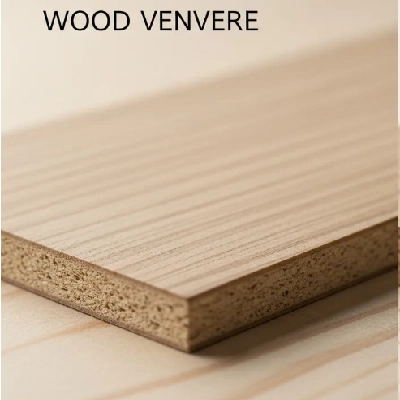
The Designer’s Canvas: PVC (Vacuum Press) Doors
PVC (also called vacuum press or membrane doors) covers shaped MDF boards with a PVC film using vacuum technology, allowing for all kinds of creative designs—think Roman columns or louvered doors, with detailing up to 15mm deep. Their biggest advantage is seamless edges—no risk of the edge banding coming loose. Great for classic European or American styles and moderately priced. Just avoid prolonged exposure to temperatures over 80°C and keep single doors under 600mm wide to prevent warping. Imported PVC film is recommended for better yellowing resistance.
Modern Minimalist Trend: PET Film Doors
PET (polyethylene terephthalate) is a food-safe, eco-friendly material (used in water bottles) now popular as a door finish. PET doors are available in both high-gloss (super shiny, gloss ≥95°) and matte (soft-touch) finishes. Usually, they’re backed with sturdy OSB to keep them flat and stable. Matte PET feels silky smooth, like a baby’s skin, while glossy PET reflects light to make small spaces look bigger. They cost more, but are highly scratch-resistant (up to 3H hardness). For matte finishes, clean oil stains promptly with the right cleaner to avoid marks.
Quick Buying Guide
- Budget: Choose melamine or PVC doors if you want the most value.
- Style: Go for PVC for European, PET or baking paint for modern, and veneered wood for traditional Chinese styles.
- Practicality: Choose baking paint or PVC for humid rooms; avoid PET in high temperature areas.
- Environmental: Always check reports—formaldehyde should be ≤0.05mg/m³.
- Hardware: Use heavy-duty hinges (≥80N) for large doors.
Tips:
- Get samples before buying to see the actual texture and color.
- Leave a 5-8mm gap between the door and wall for expansion.
- Check edge banding carefully during installation for smoothness and no visible glue lines.
- You can mix and match in different spaces. For example, use warm veneered wood for bedrooms and easy-to-clean high-gloss PET for kitchens.