Using sustainable materials for furniture is vital to reduce the industry’s carbon footprint and meet strict environmental standards. With over 3 billion cubic meters of timber harvested annually and manufacturing processes emitting millions of tonnes of CO₂, eco-friendly practices and sustainable materials for furniture are crucial for a greener future.
In this blog, we analyze five proven sustainable materials for furniture, exploring their benefits, life cycle advantages, and how they enhance durability and aesthetic appeal. Contractors and furniture brands will learn what materials of furniture are renewable and sustainable, and how advanced production techniques.
We also discuss the challenges in sourcing sustainable materials for furniture and explore future trends and regulatory drivers shaping the market, ensuring that businesses remain competitive while contributing to environmental sustainability.
1. Key Renewable & Sustainable Materials for Furniture
Choosing the right sustainable materials for furniture is not only an eco-friendly decision but also a strategic business move that can boost project performance and lower production costs. In today’s competitive market, using renewable materials can cut production expenses by 15-20%, improve efficiency, and enhance product durability. In addition, incorporating eco-friendly resources helps companies meet strict environmental regulations and build a strong brand reputation among eco-conscious consumers. By investing in sustainable materials, businesses can enjoy reduced maintenance costs, longer product life cycles, and a competitive edge that drives innovation and profitability.
Below, we explore six top materials along with their key benefits and some limitations to provide a balanced view.
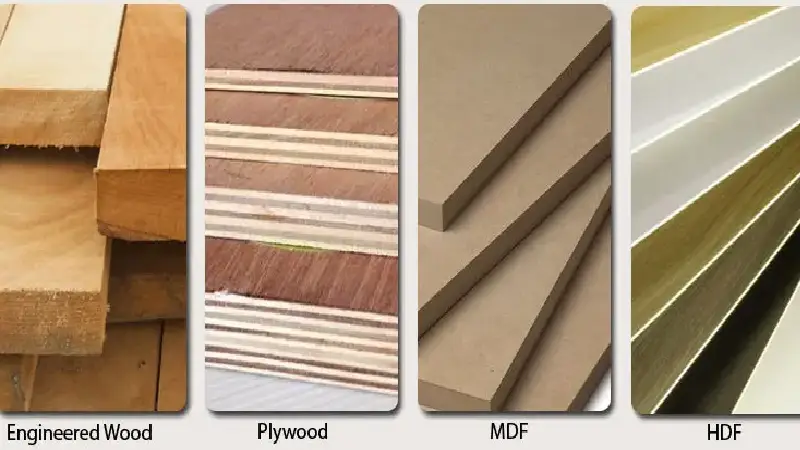
1.1 Industrial Wood (Eco-Friendly Engineered Wood – Plywood & MDF)
Engineered wood products such as plywood and MDF are crafted using advanced, low-emission, or formaldehyde-free adhesive formulations. These sustainable furniture materials are designed to meet industrial demands, ensuring consistency and precision in production. They are celebrated for their ability to lower volatile organic compound (VOC) emissions, which contributes to improved indoor air quality—a key benefit for eco-conscious projects.
In recent years, there has been a growing trend in the furniture industry to utilize plywood and MDF. Manufacturers are increasingly turning to these materials not only for their cost-effectiveness and consistency but also because advancements in production technology have made them more eco-friendly. The widespread adoption of these engineered wood products has allowed companies to produce high-volume, quality furniture that meets strict environmental standards, aligning with the industry’s push towards sustainability.
Key Benefits:
- Lower VOC Emissions: By reducing toxic emissions, these materials contribute to healthier indoor environments.
- Cost-Effectiveness: They offer consistent strength and durability at competitive pricing, making them ideal for high-volume manufacturing.
- Uniformity: Their consistent quality is critical for mass production, ensuring that every piece of furniture made from sustainable materials for furniture meets strict health and safety standards.
Disadvantages:
- Moisture Sensitivity: MDF can swell if exposed to excessive moisture, requiring proper sealing and finishing.
- Aesthetic Limitations: While functional, engineered wood may lack the natural look and warmth of solid wood, although veneers and laminates can enhance appearance.
Applications:
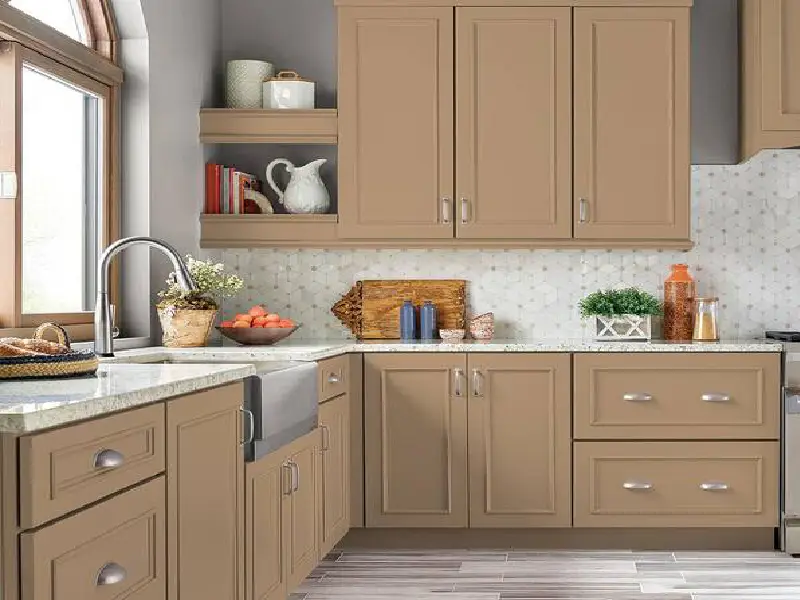
Engineered wood is widely used in cabinetry, shelving, and various furniture components. Its reliable performance makes it a top choice in commercial kitchens, institutional settings, and other spaces where sustainable furniture materials are essential.
1.2 Certified Solid Wood
Certified solid wood is sourced from responsibly managed forests and is verified by organizations such as the Forest Stewardship Council (FSC) or the Programme for the Endorsement of Forest Certification (PEFC). This certification guarantees that the wood used in furniture is sustainable, helping preserve biodiversity and reduce deforestation.
Key Benefits:
- Environmental Responsibility: Certified wood ensures that the material comes from sustainable sources, making it one of the most sustainable furniture materials available.
- Traceability: Certification provides complete supply chain transparency, allowing manufacturers and consumers to verify the sustainability credentials.
- Premium Appeal: With its natural beauty and durability, certified solid wood offers an attractive option for high-end furniture made from sustainable materials.
Disadvantages:
- Higher Cost: Premium materials command higher prices, impacting overall project budgets.
- Environmental Sensitivity: Natural wood is more susceptible to changes in humidity, which can cause warping or shrinking if not properly treated.
Applications:
This type of wood is highly prized in premium kitchen cabinets and custom furniture where the natural grain and texture are key to the design aesthetic. It represents one of the best examples of what materials of furniture are renewable and sustainable.
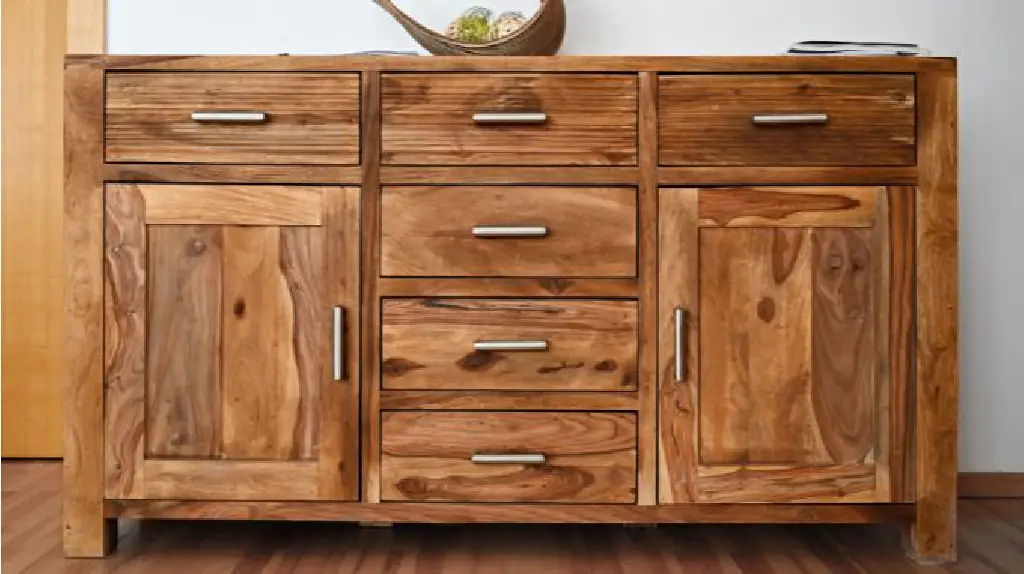
1.3 Reclaimed Wood
Reclaimed wood is salvaged from deconstructed buildings, old furniture, or industrial remnants, repurposing materials that might otherwise contribute to landfill waste. This material is a stellar example of sustainable furniture materials because it reuses existing resources while adding unique character to every piece.
Key Benefits:
- Waste Reduction: By reusing wood, reclaimed wood minimizes the need for new lumber, lowering the overall environmental impact and saving energy.
- Unique Character: It often exhibits distinctive textures and aged characteristics, making it highly valued for custom projects that require furniture made from sustainable materials.
- Proven Longevity: Properly processed reclaimed wood can offer exceptional durability, making it an ideal choice for bespoke furniture designs.
Disadvantages:
- Inconsistent Quality: Variability in the age and condition of reclaimed wood can lead to inconsistency in appearance and performance.
- Limited Supply: The availability of reclaimed wood is often unpredictable, which may affect large-scale projects.
Applications:
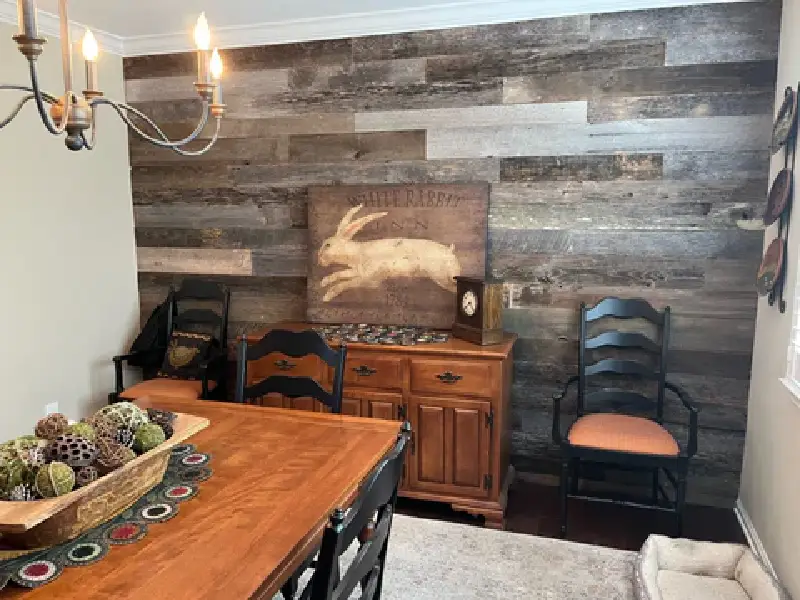
Reclaimed wood is popular for rustic dining tables, bespoke cabinetry, and other custom furniture where a unique, weathered look is desired. It is one of the most sustainable furniture materials, perfect for those who value both sustainability and character.
Recycled metal, including aluminum and steel, is reclaimed from post-consumer scrap and industrial waste. This material represents a highly sustainable alternative in furniture manufacturing because recycling metal uses dramatically less energy than producing new metal.
Key Benefits:
- Energy Efficiency: For instance, recycling aluminum uses up to 95% less energy than producing new aluminum from raw materials.
- Environmental Impact: Recycled metal helps reduce CO₂ emissions and conserves natural resources, making it one of the best sustainable furniture materials available.
- Strength and Versatility: It provides robust structural support in furniture designs and can be seamlessly integrated into modern, eco-friendly products.
Disadvantages:
- Aesthetic Constraints: Metal may not offer the same natural warmth or visual appeal as wood, which could limit its application in certain design styles.
- Processing Variability: The quality of recycled metal can sometimes vary, affecting consistency in manufacturing.
Applications:
Recycled metal is often used in furniture frames, supports, and hybrid designs, combining durability with a sleek, contemporary look. It’s a prime example of how furniture made from sustainable materials can maintain high performance while being eco-friendly.
1.6 Cork
Cork is a renewable material harvested from the bark of cork oak trees. The unique harvesting process, where the bark is removed every nine years without harming the tree, makes cork an exceptionally sustainable resource for furniture manufacturing.
Key Benefits:
- Fully Renewable and Recyclable: Cork is not only renewable but also recyclable, making it one of the most sustainable furniture materials available.
- Insulation & Acoustic Properties: It offers excellent insulation and sound-dampening qualities, adding both functional and aesthetic value to furniture.
- Durability: Naturally resistant to wear and moisture, cork is ideal for long-lasting applications in various furniture products.
Disadvantages:
- Limited Structural Use: Cork is best suited for decorative applications rather than structural components due to its softness.
- Surface Sensitivity: Prone to scratches and dents if not properly finished, which can affect its appearance over time.
Applications:
Cork is increasingly used in tabletops, wall coverings, and decorative inlays for high-end furniture. Its inherent sustainability and unique texture make it a standout option for eco-conscious designers and manufacturers.
Comparison Table: Renewable & Sustainable Materials for Furniture
| Material |
Key Benefits |
Limitations |
| Industrial Wood |
Low VOC, cost-effective, uniform quality |
Sensitive to moisture; less natural appearance |
| Certified Solid Wood |
Natural beauty, high durability, eco-friendly sourcing |
Higher cost; can warp with humidity |
| Reclaimed Wood |
Unique character, waste reduction, energy savings |
Inconsistent quality; limited supply |
| Recycled Metal |
Energy efficient, robust, eco-friendly |
May lack natural warmth; quality variability |
| Cork |
Renewable, recyclable, excellent insulation, durable |
Limited for structural use; surface sensitivity |
By understanding what materials of furniture are renewable and sustainable, contractors and furniture brands can make informed decisions that enhance the overall quality and performance of their projects. Whether you’re aiming for eco-friendly construction or innovative design, integrating these sustainable furniture materials can significantly boost project outcomes and support global sustainability initiatives.
2. Life Cycle Analysis of Sustainable Materials for Furniture
Understanding the full life cycle of sustainable materials for furniture is crucial for contractors, cabinet and furniture brands, and companies that want to reduce environmental impact while maintaining high product quality.
In this section, we analyze the entire life cycle—from sourcing and production to usage, durability, and end-of-life recycling—to demonstrate how these sustainable materials can deliver superior performance and eco-friendly benefits.
2.1 Sourcing & Production
Environmental Impact & Efficiency
Choosing sustainable materials for furniture begins at the sourcing stage. Utilizing certified materials such as FSC-certified solid wood and reclaimed wood not only ensures the use of renewable resources but also significantly reduces deforestation and energy consumption. For instance, when furniture manufacturers select certified sustainable wood, they support responsible forest management and help preserve biodiversity. Reclaimed wood repurposed materials that might otherwise contribute to landfill waste, lowering the overall carbon footprint.
Advanced Production Processes
State-of-the-art European machinery, as seen in modern Vietnamese production facilities, ensures precision cutting and minimal material waste. This efficiency is critical when manufacturing sustainable materials for furniture, as it optimizes resource use and reduces energy costs. The integration of automated systems and digital design tools further enhances consistency and quality, ensuring every piece meets rigorous sustainability standards.
Application Examples
- Certified Solid Wood: Used in premium kitchen cabinets, each piece meets stringent sustainability standards and provides a natural, durable finish.
- Reclaimed Wood: Applied in custom dining tables and bespoke cabinetry, reclaimed wood not only adds unique character but also reduces the need for new lumber, a key factor in sustainable furniture materials.
2.2 Usage & Durability
Long-Term Performance
One of the most significant advantages of sustainable materials for furniture is their extended lifespan. These materials are designed to withstand wear and tear far better than many conventional alternatives. As a result, furniture made from sustainable materials typically requires less frequent maintenance and replacement, offering long-term cost savings and reduced environmental impact.
Application Examples
- Eco-Friendly Engineered Wood: Found in modular cabinetry, eco-friendly engineered wood provides consistent quality and robustness, even in high-use areas. This material is especially valued for its uniformity and ability to maintain structural integrity over time.
2.3 End-of-Life & Recycling
Circular Economy & Recyclability
The final phase in the life cycle of sustainable materials for furniture is end-of-life management. Materials such as recycled metal and engineered wood products are designed for efficient recycling or safe biodegradation. This approach supports a circular economy by ensuring materials can be reused or disposed of in an environmentally responsible manner.
Application Examples
- Recycled Metal: Often used in furniture frames and supports, recycled metal can be efficiently recycled at the end of its lifecycle, using up to 95% less energy than producing new metal.
- Cork: Frequently integrated as decorative inlays or panels, cork is highly recyclable and can be repurposed with minimal environmental disruption.
- Benefits for the Environment
- By focusing on recycling and efficient end-of-life management, sustainable materials for furniture ensure that products do not contribute to long-term waste. Instead, these materials support environmental sustainability through reduced energy consumption and lower greenhouse gas emissions during recycling processes.
- By integrating these sustainable materials for furniture into your projects, you not only meet high-quality standards but also contribute to a more sustainable future. This comprehensive analysis serves as a guide for choosing materials that support both environmental responsibility and exceptional performance.
3. Challenges and Considerations in Sustainable Furniture Materials
Understanding the hurdles associated with sustainable materials for furniture is key for contractors and furniture brands aiming to optimize their eco-friendly projects.
Below are the main challenges:
3.1 Cost & Investment
- Higher Upfront Costs:
- Sustainable materials, such as eco-friendly engineered wood or certified solid wood, often come with a premium price compared to conventional materials.
- However, long-term savings can be achieved as these materials reduce maintenance costs and extend the product life cycle.
- Lifecycle Savings:
- Premium sustainable materials can reduce overall lifecycle costs by up to 30% due to their durability.
- Investment Justification:
- Although the initial investment is higher, the durability and lower maintenance requirements make these materials a cost-effective choice over time.
3.2 Supply Chain & Availability
- Variable Supply:
- Materials like reclaimed wood and certain certified products may face inconsistent supply due to their limited availability.
- Supplier Relationships:
- Building strong, reliable relationships with suppliers is essential to secure a steady flow of eco-friendly materials. Many North American brands have diversified their sourcing by partnering with manufacturers in Vietnam and Eastern Europe to reduce dependency on a single market.
- Forward Planning:
- Advance planning is necessary to manage potential supply disruptions and ensure production schedules remain on track.
3.3 Certification & Standards Complexity
- Verification Challenges:
- Certifications such as FSC, PEFC, CARB, and ISO are vital for verifying that materials are truly sustainable.
- Documentation & Audits:
- The process requires thorough documentation and regular third-party audits, which can be both time-consuming and costly.
- Ensuring Authenticity:
- Despite the challenges, these certifications provide essential assurance that the materials meet international sustainability and quality benchmarks.
4. EhuaCabinetry’s Approach to Sustainable Materials for Furniture
EhuaCabinetry is a prime example of a manufacturer that excels in using sustainable materials for furniture. With over 16 years of industry experience, EHUA has mastered the integration of advanced manufacturing techniques in its state-of-the-art Chinese facility to produce high-quality, eco-friendly products. Our unwavering commitment to sustainability is evident at every stage of production, ensuring that each cabinet not only meets rigorous quality standards but also contributes to environmental stewardship.
4.1 Manufacturing Excellence
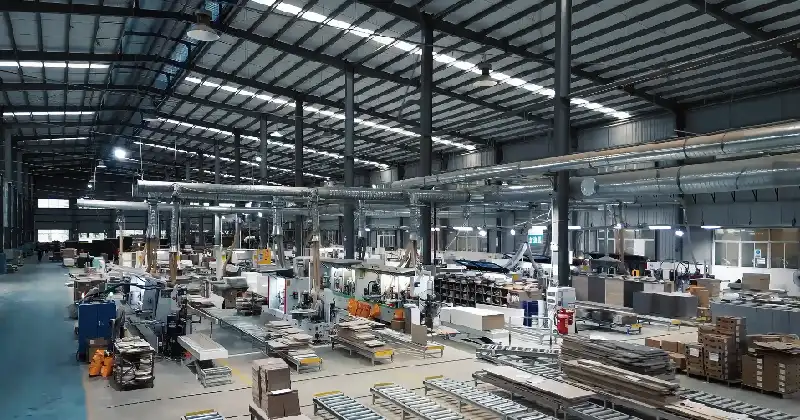
- Automated Production Techniques:
- By leveraging automated production processes, EHUA achieves remarkable consistency and efficiency in every manufacturing batch.
- This high level of automation is essential for mass-producing eco-friendly and sustainable furniture materials while reducing labor intensity and energy usage, ensuring every cabinet delivers on performance and sustainability.
- Integration of Advanced Technologies:
- Continuous investments in digital design tools optimize production workflows and enhance quality control.
- This integration maximizes resource efficiency, reduces material waste, and ensures that every product built from sustainable materials for furniture meets the highest standards.
4.2 Commitment to Certification
- Sustainable Source Material:
- EHUA sources its wood and composite materials exclusively from certified suppliers in China. By using FSC/PEFC-certified wood and low VOC-engineered panels, they ensure that every product is made from genuine sustainable materials for furniture.
- This rigorous sourcing strategy guarantees adherence to stringent environmental and health standards, providing reliable and eco-friendly products.
- Environmental Stewardship:
- EhuaCabinetry’s dedication to environmental responsibility is further demonstrated by its compliance with key certifications such as CARB and ISO.
- These certifications verify that the production processes and finished products meet or exceed global sustainability benchmarks, which builds trust with contractors and furniture brands seeking high-performance, sustainable materials for furniture.
4.3 Efficient Logistics
- Carbon-Efficient Delivery:
- A robust and well-coordinated logistics network is vital for maintaining the sustainability of the supply chain. EhuaCabinetry’s optimized logistics system ensures that products are delivered on time while minimizing the carbon footprint, making their sustainable materials for furniture even more appealing to environmentally conscious customers.
- Regional Sourcing & Strategic Partnerships:
- EhuaCabinetry leverages local suppliers and strategic partnerships within China to reduce shipping distances and transportation energy.
- This regional sourcing strategy not only contributes to lower overall emissions but also supports competitive pricing and quick delivery times without compromising the quality and sustainability of the products.
4.4 Why Choose EhuaCabinetry?
EhuaCabinetry’s holistic approach to using sustainable materials for furniture sets them apart from traditional manufacturers. With over 16 years of experience, they combine advanced machinery, strict quality certifications, and a flexible customization process to deliver high-quality, eco-friendly cabinetry. Their commitment to sustainability and efficient logistics ensures that every project not only meets rigorous standards but also contributes to environmental responsibility.
Key Advantages of Choosing EhuaCabinetry:
- Precision & Efficiency: Advanced technology and automated production reduce waste and ensure consistent quality.
- Customization: Extensive, iterative design rounds allow for bespoke solutions tailored to project needs.
- Sustainability: Certified materials (CARB, FSC, E1) and eco-friendly practices deliver durable, low-emission products.
- Reliable Logistics: Robust supply chain management guarantees on-time delivery, with reduced transportation distances and lower carbon emissions.
- Cost-Effective: Lower labor costs and optimized production in China result in competitive pricing without compromising quality.
By integrating these best practices, EhuaCabinetry sets the gold standard for using sustainable materials for furniture. Their holistic approach—encompassing manufacturing excellence, strict certification, bespoke customization, and efficient logistics—ensures that every piece of furniture not only meets high-quality benchmarks but also contributes significantly to environmental sustainability.
For contractors and furniture brands seeking to elevate their projects with eco-friendly, durable cabinetry, EhuaCabinetry’s approach provides a proven model for success.
5. Future Trends in Sustainable Furniture Materials
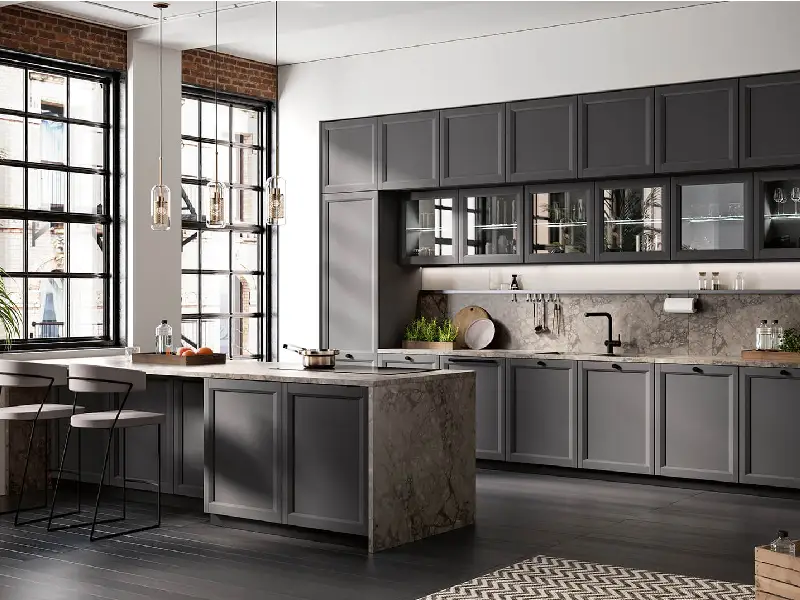
The future of sustainable materials for furniture is exceptionally promising, fueled by rising consumer demand, rapid technological advances, and increasingly stringent environmental regulations.
As contractors and furniture brands seek to align with global eco-friendly standards, the integration of sustainable materials in furniture manufacturing will only become more critical.
5.1 Increasing Market Demand
- Rising Consumer Preference:
- Research and industry reports consistently show that consumers and contractors are increasingly favoring sustainable materials for furniture due to their durability, aesthetic appeal, and environmental benefits.
- As buyers become more eco-conscious, the demand for furniture made from sustainable materials is projected to grow significantly over the next decade.
- Market Growth Projections:
- The global market for sustainable furniture materials is expected to expand robustly as more companies adopt green building practices and renewable resource policies.
- North American brands, in particular, are leveraging sustainable materials to meet LEED certifications and other environmental standards, driving further market demand.
- Impact on Project Performance:
- Choosing the most sustainable furniture materials can enhance project performance, reduce lifecycle costs, and improve brand reputation, making it a vital consideration for long-term success.
5.2 Technological Advances
- Innovations in Recycling and Bio-Based Composites:
- Emerging technologies in recycling processes and the development of bio-based composites are revolutionizing how sustainable materials for furniture are produced, further reducing waste and enhancing performance.
- These advancements enable manufacturers to create furniture that is not only environmentally friendly but also cost-competitive.
- 3D Printing and Digital Design Optimization:
- The use of 3D printing in furniture manufacturing allows for intricate, customized designs with minimal material waste. This technology is making it easier to incorporate sustainable materials for furniture into innovative products.
- AI-driven design tools and digital simulation software further optimize material usage and production efficiency, ensuring that even the most sustainable furniture materials deliver exceptional quality.
- Smart Material Innovations:
- Advances in smart materials—such as self-healing composites and temperature-regulating surfaces—are set to improve the performance and longevity of sustainable furniture. These materials help reduce energy consumption and enhance user comfort.
5.3 Regulatory and Environmental Drivers
- Stricter Environmental Regulations:
- Global regulatory frameworks are tightening, with governments imposing stricter standards on emissions, waste management, and material sourcing. This regulatory momentum is compelling manufacturers to adopt sustainable materials for furniture.
- Compliance with standards such as FSC, CARB, and ISO is becoming increasingly non-negotiable, ensuring that products not only meet market expectations but also contribute to environmental sustainability.
- Environmental Stewardship and Corporate Responsibility:
- As brands face growing scrutiny over their environmental impact, incorporating sustainable materials for furniture is essential for maintaining a positive public image and meeting corporate social responsibility goals.
- Consumers are increasingly demanding transparency and accountability, which drives companies to choose materials that support a circular economy and lower their carbon footprint.
- Circular Economy Initiatives:
- The push towards a circular economy is leading to more innovative recycling and reuse programs in the furniture industry. Manufacturers are now designing products with end-of-life recyclability in mind, ensuring that sustainable materials for furniture can be efficiently repurposed or safely biodegraded.
- This shift not only conserves resources but also reduces environmental pollution, reinforcing the importance of sustainable practices in furniture manufacturing.
The future of sustainable materials for furniture is bright, with increasing market demand, technological innovations, and strict regulatory frameworks driving the shift towards eco-friendly practices. By adopting these sustainable materials, contractors and furniture brands can significantly enhance product quality, reduce long-term costs, and contribute to a healthier environment. Embracing the latest technological advances and regulatory standards will ensure that your projects remain competitive and aligned with global sustainability goals.
6. Sustainable Materials for Furniture: Key Takeaways & Next Steps
In conclusion, the adoption of sustainable materials for furniture—such as eco-friendly engineered wood, certified solid wood, reclaimed wood, recycled metal, and cork—is reshaping the furniture manufacturing industry. These materials offer a compelling mix of durability, environmental benefits, and cost efficiency, making them essential for contractors, cabinet brands, and furniture companies aiming for high-quality, sustainable products.
Partnering with manufacturers like EhuaCabinetry, which leverage advanced machinery in China and adhere to rigorous certification standards, ensures that projects not only meet the highest quality benchmarks but also contribute to a greener future. By understanding what materials of furniture are renewable and sustainable, you can make informed decisions that drive both innovation and environmental responsibility in your projects.