Flat pack furniture has become a game-changer in the furniture industry, offering cost-effective, space-saving, and easy-to-assemble solutions. Whether for residential homes, offices, or large-scale commercial projects, flat pack furniture manufacturers provide versatile and modern designs that cater to a wide range of needs. With increasing demand in North America and Europe, this market continues to expand, driven by affordability, efficient logistics, and sustainable materials.
In this guide, we explore what flat pack furniture is, its key benefits, cost comparisons, and the top 5 flat pack furniture manufacturers shaping the industry in 2025.
1. Understanding Flat Pack Furniture
1.1 What Is Flat Pack Furniture?
Flat pack furniture, also known as ready-to-assemble (RTA) furniture, is designed for easy assembly and efficient shipping.
Unlike traditional furniture that comes pre-assembled, flat pack furniture is shipped in disassembled parts with pre-drilled holes, screws, cam locks, and an instruction manual for self-assembly.
Common Uses of Flat Pack Furniture:
- Homes & Apartments– Affordable, space-saving solutions for urban living.
- Offices & Workspaces– Modular desks, chairs, and storage units for flexible setups.
- Hotels & Hospitality– Easy-to-transport furnishings for hotels and rental properties.
- Retail & Commercial Spaces– Shop fittings, shelving, and counters.
1.2 Why Flat Pack Furniture Is Gaining Popularity
Flat pack furniture is rapidly growing in demand due to its affordability, convenience, and adaptability to modern lifestyles. With the global market projected to reach $40 billion by 2033, key factors driving this growth include lower manufacturing and shipping costs, the rise of e-commerce giants like IKEA and Wayfair, and the need for space-saving solutions in urban homes and offices. High-quality flat pack furniture manufacturers prioritize durable materials like MDF, plywood, and metal, ensuring longevity and precision-engineered assembly. Additionally, many brands now focus on eco-friendly production, using FSC-certified wood and low-emission adhesives to meet sustainability standards.
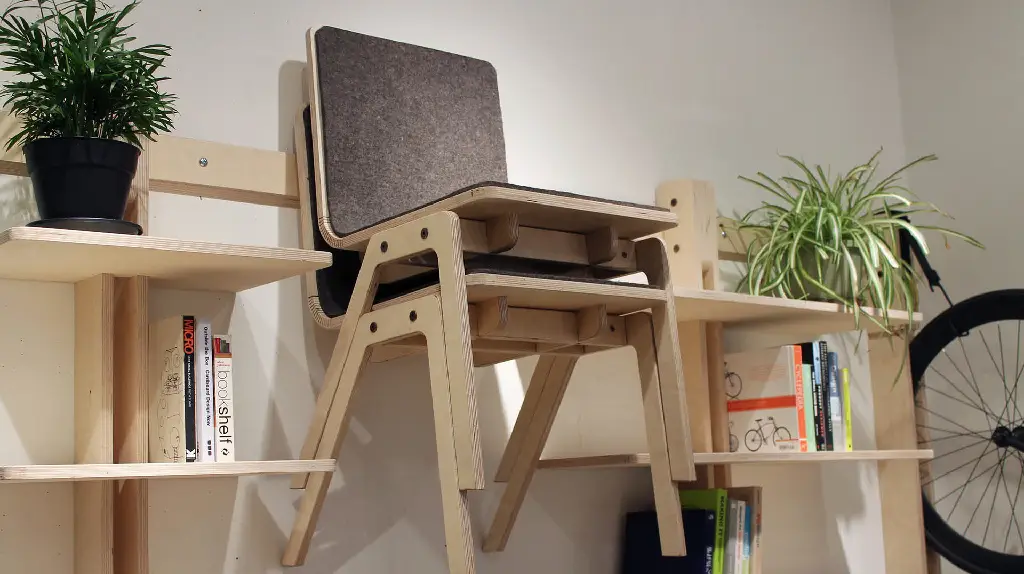 Flat Pack Series
2. Market Analysis: The Growth of Flat Pack Furniture by the Numbers
The demand for ready-to-assemble (RTA) furniture has surged globally, with increasing adoption in residential, commercial, and hospitality spaces. Its affordability, efficient shipping, and modular design make it a preferred choice for both businesses and consumers.
2.1 Global Market Growth & Demand
The global flat-pack furniture market is expected to reach $40 billion by 2033, with an annual growth rate of 7%. This expansion is fueled by the rise of e-commerce, urbanization, and shifting consumer preferences toward cost-effective and space-saving solutions.
Innovations such as CNC and laser cutting technology have transformed production processes, enabling high-precision fabrication with tolerances as low as 0.1mm and reducing material waste to minimal levels. These technological improvements ensure that each unit is produced with exceptional consistency and quality. Furthermore, the enhanced use of sustainable materials—particularly FSC-certified wood—has elevated product durability and eco-friendliness, appealing to environmentally conscious buyers.
Key Market Insights:
- North America (35% market share):High demand for modular furniture in apartment complexes, offices, and co-living spaces.
- Europe (30% market share):A growing preference for minimalist, eco-friendly, and sustainable designs.
- Asia-Pacific (25% market share):Rapid urbanization and increasing manufacturing hubs in China and Vietnam drive regional demand.
Additionally, the rise of digital shopping platforms like IKEA, Wayfair, and Amazon has transformed the way furniture is purchased, making self-assembled options more accessible and appealing.
2.2 Cost Comparison: Flat Pack vs. Traditional Furniture
One of the biggest advantages of Ready-to-Assemble (RTA) furniture is its affordability compared to fully assembled options. Below is a comparison of key factors, including cost, assembly, shipping, lifespan, and maintenance:
| Furniture Type |
Average Price Range |
Assembly Required |
Shipping Cost |
Lifespan |
Maintenance |
| Flat Pack Furniture |
$50 – $800 |
Yes |
Lower |
15 – 20 years |
Requires periodic reassembly/touch-ups |
| Fully Assembled Furniture |
$200 – $2,000 |
No |
Higher |
20 – 25 years |
Low; minimal upkeep |
Why Flat Pack Options Are More Cost-Effective:
- Lower Production Costs:Mass production in flat pack furniture factories reduces labor and material expenses.
- Optimized Storage:Compact packaging allows for better warehouse efficiency and reduced storage costs.
- Affordable Shipping:Lightweight, space-efficient packaging cuts freight costs by up to 60%, making it a top choice for online retailers.
2.3 Who Uses Ready-to-Assemble Furniture?
The versatility and cost benefits of modular, self-assembled furniture attract a wide range of buyers:
- Contractors & Developers:
- Cost-Effective Solutions: Ideal for large-scale apartment complexes, office buildings, and hospitality projects where budget constraints are critical.
- Fast Installation: Reduced labor time due to quick on-site assembly ensures projects are completed on schedule.
- Design Flexibility: Easy to modify layouts and update configurations as project needs evolve.
- Furniture Brands & Retailers: Bulk purchasing reduces logistics expenses while allowing companies to offer affordable, customizable designs.
- Bulk Purchasing Benefits: Lower logistics expenses and economies of scale make it affordable for mass-market distribution.
- Customizable Designs: Offers the ability to adapt products to meet market trends and consumer preferences.
- Scalability: Streamlined ordering processes allow for quick replenishment and product line expansion.
- E-Commerce Stores:
- Efficient Shipping: Flat-pack designs reduce shipping costs and storage space, making them ideal for platforms like Amazon, Wayfair, and Home Depot.
- Consumer Convenience: Lightweight and compact packaging facilitate easy returns and hassle-free delivery.
- High Scalability: Quick inventory turnover and lower overall shipping expenses support robust online retail operations.
- DIY Homeowners & Renters:
- Affordability: Budget-friendly options appeal to cost-conscious consumers.
- Easy Transport & Assembly: Flat-pack furniture is designed for straightforward assembly, making it perfect for individuals with limited space or DIY experience.
- Customization for Small Spaces: Adaptable designs allow for efficient use of space in apartments and smaller homes.
As demand continues to rise, manufacturers are focusing on high-quality materials, precision engineering, and sustainable production to meet market expectations.
3. Advantages and Disadvantages of Flat Pack Furniture
Flat-pack furniture has revolutionized the furniture industry by offering cost-effective, modular solutions for modern living. While it provides significant benefits in terms of pricing, logistics, and flexibility, it also comes with some limitations. Here’s a breakdown of the key advantages and disadvantages.
3.1 Benefits of Flat Pack Furniture
- Affordable & Cost-Efficient
- 20-50% cheaper than traditional furniture due to reduced labor and assembly costs.
- Mass production and efficient supply chain management allow manufacturers to offer lower prices to wholesalers and retailers.
- Optimized Shipping & Storage
- Flat packaging significantly reduces freight costs by up to 60%, making it an ideal choice for online retailers and furniture brands.
- Compact packaging minimizes warehouse space requirements, allowing businesses to stock larger inventories without increasing storage costs.
- Customizable & Modular Design
- Available in various finishes, colors, and materials to match different styles.
- Many models include modular features, allowing customers to expand, rearrange, or personalize their furniture over time.
- OEM customization enables furniture brands to design unique products tailored to specific market demands.
- Easy Assembly & Component Replacement
- Designed for DIY assembly, eliminating the need for specialized installation services.
- Individual parts can be replaced or upgraded without discarding the entire unit, making maintenance cost-effective.
- Sustainable & Eco-Friendly Manufacturing
- Many flat pack furniture factories use FSC-certified wood and recyclable materials.
- Reduced carbon footprint due to compact shipping and efficient manufacturing processes.
3.2 Disadvantages of Flat Pack Furniture
- Requires Assembly
- Consumers or contractors must assemble the furniture using the provided tools and instructions.
- Some designs may take 30 minutes to 3 hours to assemble, depending on complexity.
- Poor assembly can affect stability and longevity, making proper installation crucial.
- Lower Durability Compared to Solid Wood Furniture
- Some budget-friendly options use particleboard or low-quality MDF, which may wear out faster than hardwood furniture.
- Weight-bearing capacity varies, and some designs may not be suitable for heavy-duty use.
- Stability & Weight Limitations
- Lighter construction materials mean some flat pack furniture may not be as sturdy as traditional furniture.
- Items such as wardrobes and bookshelves may require wall anchoring for additional stability.
Despite these limitations, flat pack furniture remains an ideal choice for furniture brands, retailers, and contractors seeking affordable, scalable, and customizable furniture solutions. With continuous improvements in materials and design, the market is shifting towards higher-quality, more durable options that bridge the gap between affordability and longevity.
4. Types of Flat Pack Furniture
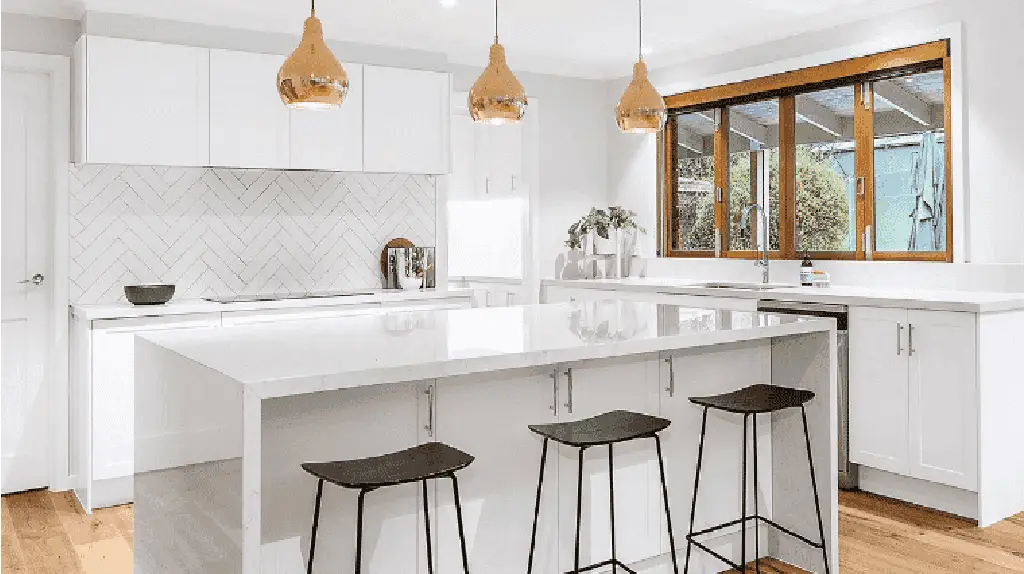 A Flat Pack Kitchen
Flat-pack furniture is available in a wide range of materials and designs, making it suitable for both residential and commercial spaces. Each type has distinct characteristics that cater to different needs, from storage solutions to upholstered seating. Here’s a closer look at the most common categories:
4.1 Wooden Flat Pack Furniture
- Materials Used:
- Solid wood – Premium-quality, durable, and long-lasting.
- Plywood – Resistant to moisture and warping, commonly used in cabinets and shelving.
- MDF (Medium-Density Fiberboard) – Smooth surface ideal for painted or laminated finishes.
- Particle Board – Cost-effective and lightweight but less durable than other options.
- Common Products:
- Wardrobes & Closets – Modular storage solutions with adjustable shelves.
- Dining Tables & Chairs – Compact, space-saving sets for homes and restaurants.
- Bookshelves & Storage Units – Multi-tiered, customizable shelving for offices and living spaces.
- Kitchen Cabinets – Flat-packed solutions used by contractors and interior designers for residential and commercial projects.
- Why Choose Wooden Furniture?
- Offers a natural and elegant aesthetic for both modern and classic interiors.
- Provides sturdiness and longer lifespan, especially when made from plywood or solid wood.
- Available in various finishes, from matte and glossy laminates to textured wood grains.
4.2 Metal Flat Pack Furniture
- Common Uses:
- Office desks & chairs – Lightweight and durable, ideal for flexible workspace setups.
- Shelving units & storage racks – Used in warehouses, garages, and industrial settings.
- Filing cabinets & lockers – Popular in schools, gyms, and corporate offices for organized storage.
- Features & Benefits:
- High durability – Metal furniture is resistant to moisture, heat, and daily wear.
- Modern & industrial aesthetics – Perfect for contemporary office interiors and urban-style homes.
- Lightweight & stackable – Makes transportation and storage easier.
- Who Uses Metal Furniture?
- Corporate offices – Modular desks, meeting tables, and filing cabinets.
- Retailers & warehouses – Storage units for inventory management.
- Educational institutions – Lockers, student desks, and cafeteria seating.
4.3 Upholstered Flat Pack Furniture
- Examples of Products:
- Sofas & Modular Seating – L-shaped, sectional, and foldable designs for flexible arrangements.
- Beds & Bed Frames – Easy-to-assemble headboards and adjustable slat bases.
- Lounge Chairs & Ottomans – Comfortable, space-saving seating for living rooms, hotels, and co-working spaces.
- Best For:
- Living Rooms & Apartments – Compact, modular seating solutions.
- Hospitality Industry – Hotels and Airbnb accommodations requiring quick, cost-effective furnishings.
- Office & Co-Working Spaces – Lounge areas with easy-to-move, modular sofas.
- Why Choose Upholstered Options?
- Ergonomic & comfortable – Designed for relaxation and extended use.
- Modular & space-saving – Easy to transport and rearrange for various layouts.
- Wide material selection – Available in fabric, leather, and synthetic materials to suit different aesthetics.
4.4 Modular Flat Pack Cabinetry
- Major Applications:
- Kitchen Cabinets – Prefabricated modular systems that allow custom configurations.
- Bathroom Vanities – Compact, easy-to-install storage solutions for small spaces.
- Office Storage Units – Filing cabinets, desk organizers, and credenzas.
- Preferred By:
- Contractors & Developers – Bulk purchases for large-scale residential and commercial projects.
- Interior Designers – Customizable options that fit into various aesthetics.
- Retailers & Wholesalers – Sold in ready-to-assemble kits for e-commerce and in-store distribution.
- Key Benefits:
- Fast Installation – Pre-cut and pre-drilled panels reduce setup time.
- Highly Customizable – Wide variety of finishes, colors, and hardware options.
- Cost-Effective for Large Orders – Ideal for developers looking to furnish multiple units quickly.
Flat-pack furniture comes in diverse materials and styles, making it adaptable for residential, commercial, and industrial spaces. Whether for affordable home furnishings, flexible office layouts, or large-scale interior projects, this type of furniture offers a practical, cost-effective, and customizable solution for modern buyers.
5. Flat Pack vs. Traditional Furniture: Which One Is Better?
Choosing between flat-pack and traditional furniture depends on budget, customization, intended use, and sustainability. Below is a detailed comparison of the two options to help contractors, retailers, and businesses make an informed decision.
5.1 Direct Comparison: Flat Pack vs. Fully Assembled Furniture
| Factor |
Flat-Pack |
Traditional Furniture |
| Cost |
20-50% lower due to reduced labor and efficient mass production. |
Higher, as traditional furniture requires skilled labor and longer production times. |
| Customization |
Moderate, with various finishes, materials, and modular options available. |
High, as fully assembled furniture can be custom-built to exact specifications. |
| Durability |
Medium, with durability depending on materials (solid wood vs. MDF/particle board). |
High, especially when made from solid wood and premium materials. |
| Assembly |
Required, either DIY or professional installation. |
No assembly needed, delivered fully built and ready to use. |
| Shipping Costs |
Lower, as flat-packed furniture is compact and cost-effective to transport. |
Higher, due to bulkier sizes and increased freight costs. |
| Sustainability |
Often uses recyclable MDF/plywood and benefits from lower transportation fuel consumption. |
May have a larger environmental footprint due to bulkier packaging and higher fuel use. |
5.2 Who Should Choose Flat-Pack Furniture?
- Contractors & Developers
- Ideal for large-scale projects such as apartments, hotels, and offices.
- Bulk purchasing allows for cost savings while maintaining quality.
- Retailers & E-Commerce Businesses
- Companies like Wayfair, Amazon, and Home Depot rely on easy-to-ship products to minimize logistics costs.
- Flat-packed designs maximize storage efficiency and inventory management.
- Businesses with Fast Turnaround Needs
- Airbnb hosts, rental property managers, and startups benefit from quick assembly and cost-effectiveness.
- Modular furniture allows for easy replacements and adjustments as business needs evolve.
- Space-Conscious Homeowners & Renters
- Great for urban apartments, dormitories, and compact spaces.
- Budget-friendly options with modular designs that adapt to different layouts.
5.3 Who Should Choose Traditional Furniture?
- Luxury Residential & Commercial Spaces
- High-end hotels, premium office buildings, and luxury homes require custom-built furniture with premium materials.
- Buyers Preferring Fully Assembled Pieces
- Traditional furniture is ideal for customers who don’t want to assemble their own products.
- Often chosen for permanent installations that don’t require frequent moving or adjustments.
Flat-pack and traditional furniture each serve different purposes. Businesses prioritizing affordability, scalability, and efficient shipping should opt for flat-pack solutions, while high-end projects with bespoke craftsmanship and premium aesthetics benefit more from traditional furniture. The right choice depends on budget, project requirements, and desired durability.
6. Top 5 Flat Pack Furniture Manufacturers
The global market for modular, ready-to-assemble (RTA) furniture is dominated by manufacturers that specialize in cost-effective production, innovative designs, and large-scale distribution.
Below is a breakdown of the top 10 flat-pack furniture manufacturers supplying high-quality solutions for residential and commercial projects.
6.1 EhuaCabinetry (China)
A leading Chinese manufacturer, EhuaCabinetry specializes in flat-pack kitchen&vanity cabinets for contractors, developers, and furniture brands.
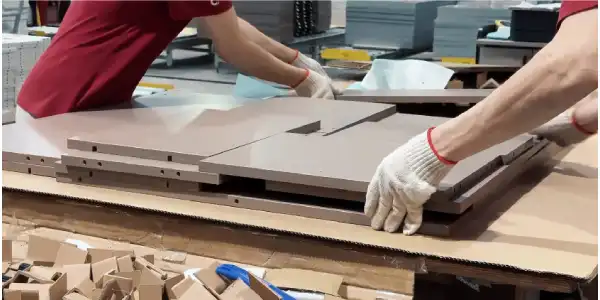
- Precision Manufacturing
- Automated production lines further enhance efficiency and minimize material waste.
- Customization & OEM Capabilities
- Offers private-label manufacturing for global furniture brands.
- Wide selection of finishes, materials, and modular configurations.
- Certifications & Sustainability
- Holds CARB, FSC, and E1 certifications to meet North American and European standards.
- Uses sustainably sourced wood and low-VOC adhesives for eco-conscious buyers.
- Competitive Advantage
- Reliable lead times (25-40 days) for bulk orders and contract projects.
- Supported by over 16 years of industry experience and an experienced team, they deliver superior quality and timely projects.
6.2 IKEA (Sweden)
The world’s largest flat pack furniture retailer, known for Scandinavian design and budget-friendly pricing.
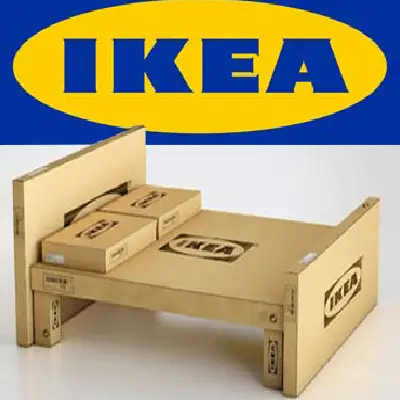
- Affordable, mass-produced furniture with efficient logistics and retail distribution.
- Strong focus on sustainable materials and space-saving designs.
- Extensive catalog covering home, office, and commercial furniture.
6.3 Ashley Furniture (USA)
One of America’s largest furniture brands, offering modern and stylish RTA home and office furniture.
- Mass-market designs that balance affordability with trendy aesthetics.
- Strong retail and online presence in North America and beyond.
6.4 Sauder Woodworking (USA)
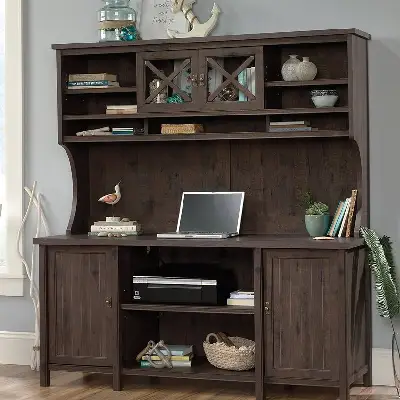
A top brand for home office and storage furniture, widely available in North America.
- Specialization:
- Affordable, high-volume RTA desks, bookshelves, and modular storage units.
- Popular among major retailers for budget-friendly furniture solutions.
6.5 Dorel Industries (Canada)
A leading Canadian RTA furniture manufacturer, focused on cost-effective, mass-market production.
- Trusted by retailers like Walmart and Target for budget-friendly home and office furniture.
- Expansive product range, including baby furniture, shelving, and entertainment centers.
Why EhuaCabinetry Stands Out Among Global Competitors
- Best for bulk buyers, contractors, and developerslooking for a high-quality, cost-effective alternative to Chinese manufacturers.
- Scalable productionensures consistent quality across large orders.
- Certified sustainability practices, making EHUAa top choice for environmentally conscious brands.
By working with a trusted Chinese manufacturer like EhuaCabinetry, businesses can access premium, affordable, and customizable flat-pack furniture solutions tailored for residential and commercial projects.
7.2 Trade & Sustainability Advantages: Why China Has the Edge
Eco-Friendly Manufacturing Practices
- Many flat pack furniture factories in Chinause FSC-certified wood and low-VOC adhesives, ensuring compliance with sustainability standards.
- Buyers looking for modular, ready-to-assemble furniture with a low environmental impact increasingly prefer Chinese-sourced products.
Lower Production Overhead & Stable Pricing
- Lower operational costs mean that China can produce high-quality flat pack furniture at a competitive price.
Strategic Location & Production Flexibility:
- Strategically located near major shipping routes, Chinaoffers faster transit times and reduced shipping costs.
- Chinese factories are highly adaptable, quickly adjusting production volumes and configurations to meet demand fluctuations. This flexibility ensures that orders are efficiently managed and delivered on schedule.
8. Is Flat Pack Furniture Right for Your Business?
Flat-pack furniture is an affordable, space-saving, and scalable solution, making it a preferred choice for contractors, furniture brands, and online retailers. Its modular design and efficient packaging reduce both logistics and storage costs, making bulk purchasing more economical.
For developers and wholesalers, flat-pack options streamline large-scale furnishing projects, offering quick assembly and customization flexibility. Meanwhile, e-commerce sellers benefit from lower shipping expenses and a broader customer base due to its easy delivery and self-assembly features.
Choosing a reliable manufacturer like EhuaCabinetry ensures high-quality materials, precision engineering, and sustainable production—all essential for businesses looking to maximize value and efficiency in the modern furniture market.